







Skip to content
Athletic Scholarships USA: Your funded bachelor's degree in the USAAthletic Scholarships USA
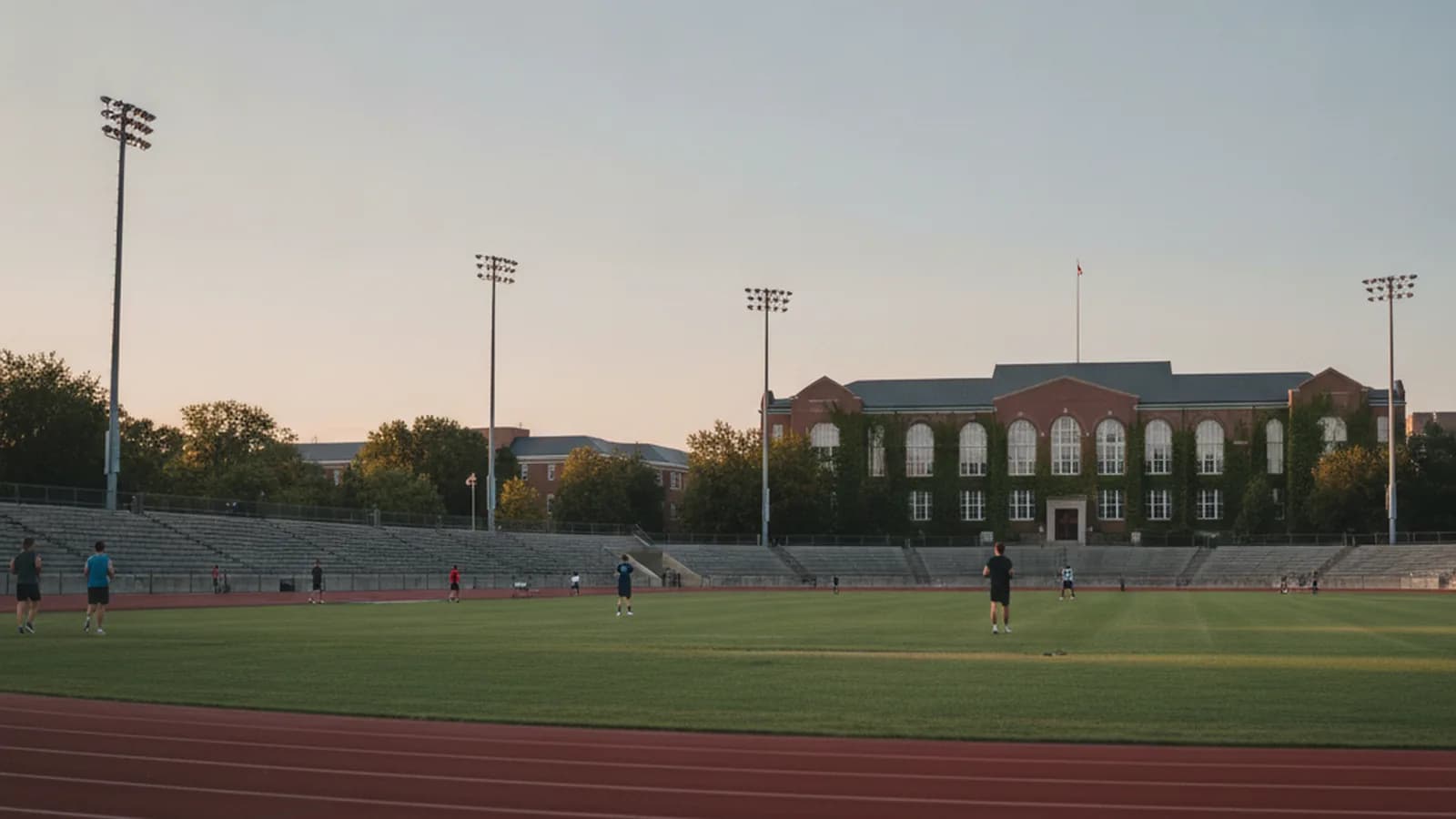
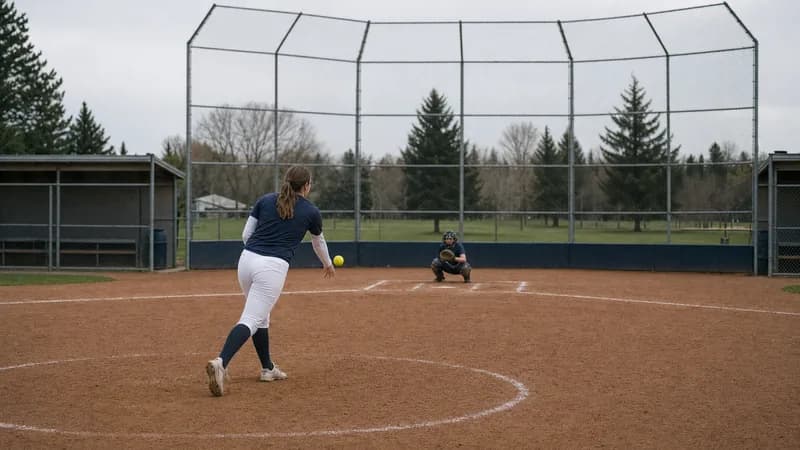
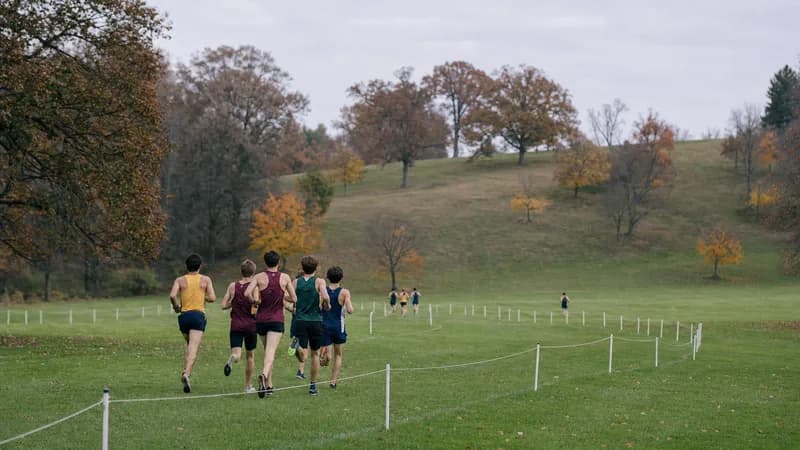
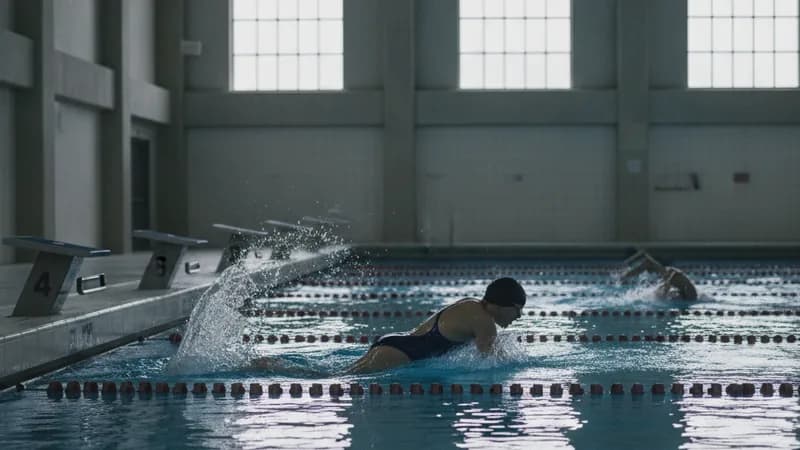
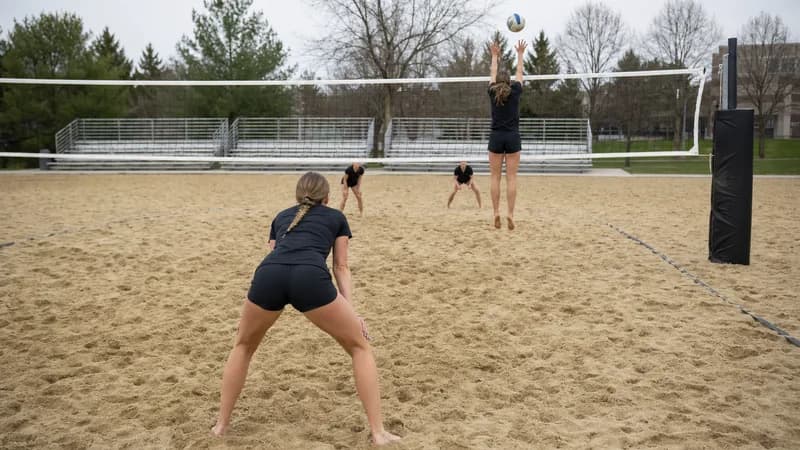
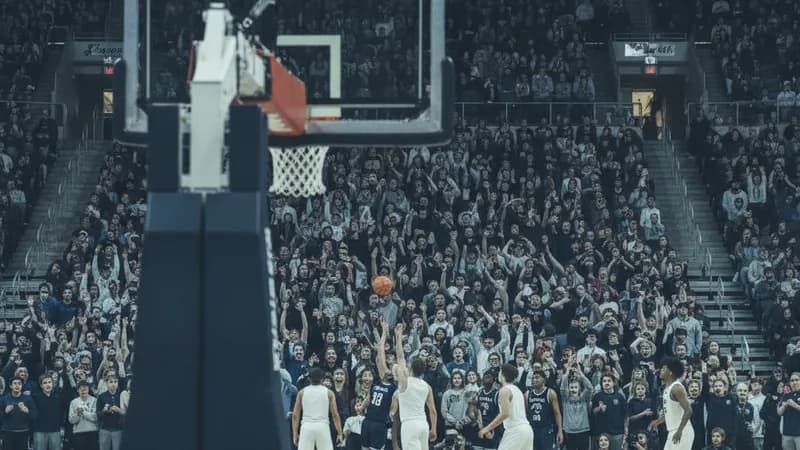
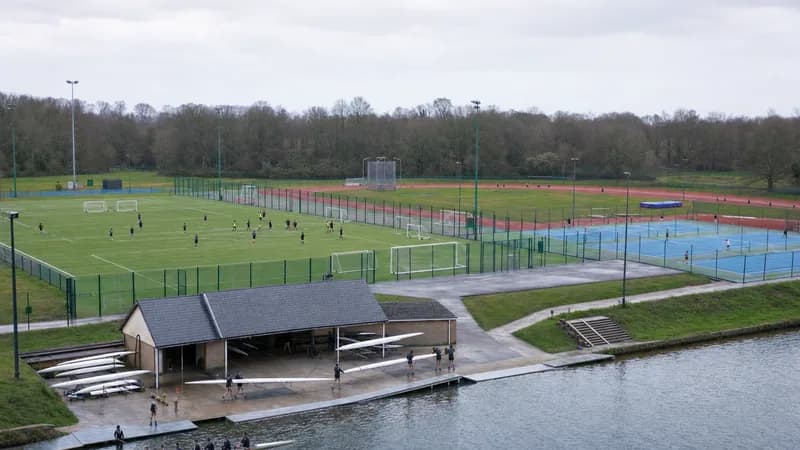
Athletics facilities on an American university campus

Athletic Scholarships in the USA

Your sport can pay for a bachelor's degree at a US university or college.

  • 21 sports
  • NCAA and NAIA
  • Study and compete
  • A source for every figure

Image: AI-generated.

US$5.1B

Fees waived in total

NCAA Division I, NCAA Division II, NAIA

877

Universities & Colleges

2024-25

435,565

Roster places

US$16,988

Fees waived per roster place, NCAA Division I

Share of a year's cost at a public university or college: 37%

US universities and colleges report these figures to the US Department of Education yearly. We use the reports for 2024-25.

Athletic scholarships in the USA cut degree costs

An athletic scholarship is a discount on what a US university or college charges. It can cover tuition, fees, housing, meals and books. Most of the money never reaches the athlete as cash.

Athletic scholarships from NCAA and NAIA members

Each university or college decides who gets an athletic scholarship. It must follow the rules of its sports association.

The largest of these associations is the NCAA. It sorts its members into Division I, Division II and Division III.

Universities and colleges in Division I and Division II may give athletic scholarships. Those in Division III may not. The NAIA is a second, smaller association, and its members give them too.

A roster place is one athlete's spot on a team for one season.

Reasons for athletic scholarships at universities and colleges

US universities and colleges compete for students. An athlete who pays part of the bill still brings in money. An empty place brings nothing.

College sport also makes a university or college better known. Devin and Jaren Pope studied this in 2009.

Applications rise by about 1% when the basketball team reaches the national tournament. A national title lifts applications by 7 to 8%.

Sport costs most universities and colleges more than it earns. The NCAA finance report for 2024 covers 352 Division I members.

Only 21 members of the top football level made a profit on sport. Only 1 members of the second football level did the same.

An athletic scholarship is a discount on what a US university or college charges. It covers tuition, fees, housing, meals and books. Division I is the top level of the NCAA. Division I members may pay you the share for housing and meals in cash. Other divisions do not allow this. Each aid amount comes from the reports of the universities and colleges themselves. They send these reports to the US Department of Education.

4 benefits of a US athletic scholarship

You play for a college team for four years. In those four years, you earn a bachelor's degree.

  • Daily training with professional coaches

    You train every day with coaches, a strength coach and physical therapists. Your university or college pays for your travel to games and meets.

  • A bachelor's degree next to your sport

    Your university or college gives you tutors and plans your classes around training. You can only compete while your grades stay above the minimum.

  • A discount of US$16,988 a year on average

    Division I is the top level of the NCAA. Its average covers about 37% of a year at public universities and colleges. The NAIA, a smaller association, averages US$8,329.

  • Fluent English and contacts in many countries

    You live in an English-speaking country for four years. You study and train with people from many countries.

An athletic scholarship lowers what a US university or college charges you. The discount applies to tuition, housing and meals. Most athletes get little or none of it as cash.

Division I averages US$16,988 per roster place

Only Division I and Division II of the NCAA may give athletic scholarships. Division II averages US$6,087 per roster place a year. The NAIA averages US$8,329 per roster place a year.

The NAIA is a separate association. It gives more per roster place than NCAA Division II. Division III is missing, because its universities and colleges may not give athletic scholarships.

An athletic scholarship is a discount on what a US university or college charges. It covers tuition, fees, housing, meals and books. Division I is the top level of the NCAA. Division I members may pay you the share for housing and meals in cash. Other divisions do not allow this. Each aid amount comes from the reports of the universities and colleges themselves. They send these reports to the US Department of Education.

US universities and colleges with athletic scholarships

  • D IUS$16,988
  • D IIUS$6,087
  • NAIAUS$8,329

Fees waived per roster place, 2024-25

A typical day as a college athlete

Most college teams expect a weekday like this during the season.

The NCAA limits required training to 20 hours a week in season. On paper, any training beyond that is voluntary.

  • 20 Required training hours per week
  • 435,565 Roster places

Life of an athlete

  1. 05:45

    Wake-up

    You eat breakfast in the dining hall for athletes.

  2. 06:30

    Weight room

    Your team lifts weights with a full-time strength coach.

  3. 08:00

    Class

    Most of your classes are in the morning, around training.

  4. 12:15

    Lunch and physical therapy

    After lunch, you see the physical therapist in the training building.

  5. 14:30

    Team practice

    Team practice lasts two to three hours.

  6. 18:30

    Study hall

    Most universities and colleges set study hours for first-year athletes. Tutors sit in the room during those hours.

  7. 20:00

    Team time

    You watch game videos with your team in the evening. Then you eat together or have free time.

  8. 22:30

    Bedtime

    The day ends early, because the alarm rings at the same time tomorrow.

Rule changes for international athletes, 2025 to 2026

The rules for athletic scholarships changed a great deal in 2025. More changes start in 2026 and 2027. We check every change against the original rule text.

  1. Division II switches to a five-year age clock

    Division II no longer counts seasons and gives athletes five years to compete. The clock starts at their first full-time enrollment. If the academic year after their 19th birthday comes first, the clock starts then. Athletes who first enroll in 2026-27 get the better of both rules.

    Decided on: 5 August 2026. In force from: 1 August 2026.

  2. Four-year limit on student stays on hold

    The US government planned a new rule for students on the F-1 student visa. They could stay at most four years, even if their studies took longer. A federal court stopped the rule across the whole country in September 2026. So students can still stay as long as their studies last.

    Decided on: 17 July 2026. Planned from 15 September 2026. A court put it on hold on 14 September 2026..

  3. Division I age clock starts in fall 2027

    The same five-year age clock applies in Division I from fall 2027. Universities and colleges apply both rules in one transition year. The rule that is better for the athlete counts.

    Decided on: 24 June 2026. In force from: 1 August 2027.

Rule changes with decision and effective dates

3 routes to an athletic scholarship

Your sport, your level and your family's budget decide the best route.

Route 1: applying on your own

You write to coaches and edit your video yourself. You also register with the NCAA or NAIA eligibility center on your own. You pay only the registration and test fees.

This route works best in sports with rankings or measured times. Your English must be good enough for a call with a coach.

Route 2: applying through an agency

An agency picks universities and colleges, prepares your profile and contacts coaches for you. The most expensive agencies charge five-figure fees.

You still handle the eligibility paperwork yourself. An agency helps most in sports without a public ranking.

Route 3: your own application plus paid introductions

You handle eligibility and your video yourself. You pay only for a shortlist of realistic universities and colleges and coach introductions. Almost no agency sells this as a package.

US athletic scholarship application in 8 steps

Common questions about athletic scholarships in the USA

How much is an average athletic scholarship in the USA worth per year?
Athletic scholarships in NCAA Division I average US$16,988 a year per roster place. They average US$6,087 in Division II and US$8,329 in the smaller NAIA. Single offers can be much higher or much lower. The figures come from reports to the US Department of Education for 2024-25.
Do I need to be on a national team to get an athletic scholarship?
No, you can get a US athletic scholarship without being on a national team. Universities and colleges in NCAA Division I, the top level, give scholarships. So do those in Division II and in the NAIA. Coaches need to judge your level, and rankings or measured times help most.
Does a gap year cost me a year of eligibility in US college sport?
A gap year can cost you one year of eligibility. Eligibility is your right to compete for a college team. Under the new NCAA rule, eligibility lasts five years. The five-year clock starts with your first full-time enrollment. It starts no later than the academic year after your 19th birthday. Division II uses this rule from 2026-27 and Division I from fall 2027.
Does Athletic Scholarships USA place athletes like an agency?
No, Athletic Scholarships USA does not place athletes at universities or colleges. We take no commission and have no partner program with agencies. Sales of the paid Athletes Personal Dashboard pay for the website. No agency pays us, so we say when an agency is the wrong choice.

Check roster places and aid in your sport

Check two numbers for your sport before you contact universities, colleges or agencies. How many roster places does it have? How much aid does one place get on average?

See figures by sportGuide