Updated on: 11 November 2026
Reasons for an athletic scholarship in the USA
US teams belong to their university or college. So training, classes and exams fit into one schedule. This is the main reason international athletes choose the USA.
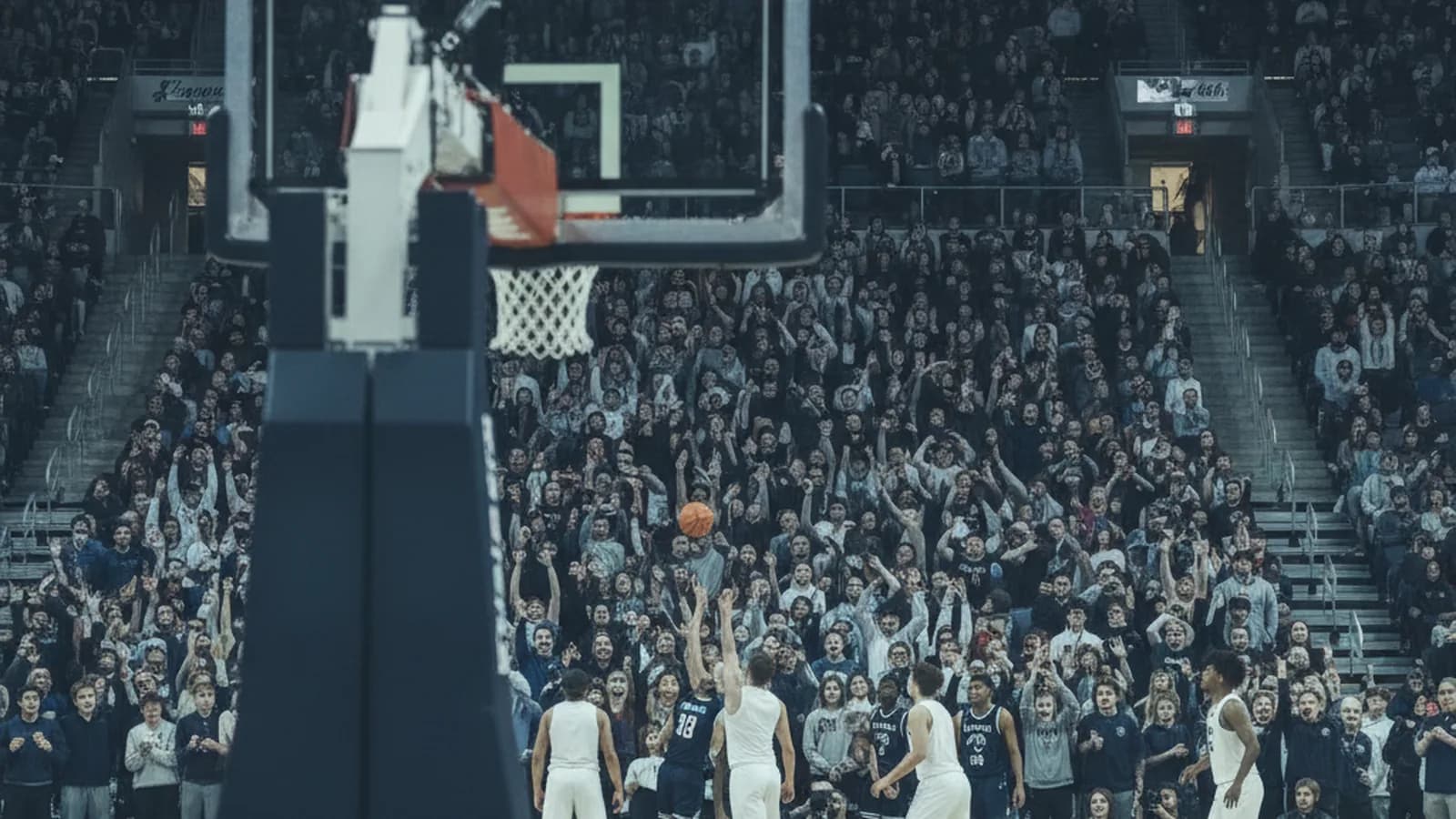
Image: AI-generated.
Why the USA in 3 key points
Training and classes in one schedule
Your team belongs to the university or college. So the same office plans training, classes and exams. A class that clashes with a competition gets a make-up date.
Full-time coach, strength coach and physical therapist
Your team spot includes strength training, physical therapy, video analysis and nutrition advice. None of it costs extra. In Europe, athletes outside the top leagues seldom get this support. Most who get it pay for it.
A recognized degree and fluent English
An accredited US bachelor's degree is a full first degree. A university or college at home can assess it for a master's program. The athletic scholarship covers part of the fees. You speak English every day for four years.
Sport and study at one university or college
In Europe, the sports club and the university or college are separate. The club sets the training times. The university or college sets internships and exams, and nobody fits the two together.
So from about age eighteen, many athletes train less. They later stop competing.
In the USA, the team belongs to the university or college. The same office sets competition dates and exam dates. Training, classes and the gym share one campus.
If you miss a class for an away competition, you fill in a form. You then get a make-up date.
Professional training with full-time staff
A roster place is one spot on a team's official list of athletes. It comes with a coach who works only with your team. You also get a strength coach, a physical therapist and video analysis after competitions.
Most universities and colleges add nutrition advice. None of it costs extra, and you set up none of it yourself.
On most days, you train twice. You lift weights in the morning. You work on technique at your team's own facilities in the afternoon.
Most European athletes outside the top leagues train evenings, after work or classes.
A recognized degree for part of the fees
You hold an accredited bachelor's degree after four years. With it, you can apply for a master's program at home. The university or college you apply to decides whether to admit you.
Studying in the USA without a scholarship costs a lot. An athletic scholarship covers part of the fees, in most cases tuition. Often it also covers housing, meals and books.
Most athletic scholarships cover only part of the cost. You pay for flights, insurance and the visa in any case. Many families can afford a US degree only with an athletic scholarship.
Living on your own in the USA
You enroll yourself, open a bank account and find a doctor. You also sort out your visa, all in English.
Your parents can't just drop by. So the first six months take a lot of effort.
Homesickness most often starts in October, not in August. Everything is new in the first weeks. The excitement fades by the fourth or fifth week, and the season gets harder.
Fluent English after four years
You go to classes in English, and you talk with your team in English. On long bus trips to away competitions, you speak English too. Many athletes notice in their second year that they stop translating in their head.
Many applicants list fluent English on their resume. You can prove it with four years of study in English. An interviewer hears it within minutes.
Life in a team on campus
Your teammates come from several countries. Some may come from Canada, Nigeria or Spain. Others come from the US state you study in.
You train, travel and eat together for four years. Often you share a house too.
Almost all students live on campus, and the dining hall stays open all day. Home competitions bring the band, your fellow students and people from the town. Campus life like this exists only in the USA.
A team also brings duties. The team counts on you, even on mornings you don't feel like training. You keep training even when you sit on the bench for half a season.
Planning the years after sport
Every sports career ends, most often earlier than planned. You are about twenty-two after four years at a university or college. You hold a degree and have contacts on two continents.
Most college athletes never turn professional. Whether you do depends on many things outside your control. The degree and the four years of competition stay with you either way.
A US university or college plans training, classes and exams together. So you can keep competing while you earn a bachelor's degree.
Why the USA: rules and application steps
The NCAA and the NAIA are the two US college sports associations. They set what an athletic scholarship may cover. They also set how many athletes a team may have.
Rules with source and check date
Application steps with their dates
Common questions about athletic scholarships in the USA
What does an athletic scholarship in the USA bring if I never turn professional?
Must I rank among the best in my age group for an athletic scholarship?
Does a US bachelor's degree take longer than a bachelor's degree in Europe?
What level of English do I need for an athletic scholarship in the USA?
Does an athletic scholarship in the USA still cost me money?
More guides on athletic scholarships
Sources
Each figure comes from one of these sources. If no source reports a figure, we do not estimate one.
- U.S. Department of Education, Equity in Athletics Data Analysis (20 August 2026)
- College Board, Trends in College Pricing and Student Aid 2025 (20 August 2026)
- NCAA, 2026-27 Division I Manual, Bylaws 15.02.2, 15.02.5, 15.2.2.1, 15.2.3.1 and 15.2.4 (full grant-in-aid, living expenses stipend, books, other expenses) (11 November 2026)
- NCAA, 2026-27 Division II Manual, Bylaw 15.02.6 (full grant-in-aid, effective 1 August 2026) (11 November 2026)
- NCAA, Question and Answer: Implementation of the House Settlement (updated 29 May 2026), questions A13 and A14 (Alston awards) (11 November 2026)
- NCAA, DI Board of Directors formally adopts changes to roster limits (20 August 2026)
- College Sports Commission, Participating Schools (6 November 2026)
The editorial team of Athletic Scholarships USA writes and checks every text and figure. We are not an agency and do not place athletes at universities and colleges. When an agency would serve you better, we say so.