Scholarships and who pays
Coverage of an athletic scholarship
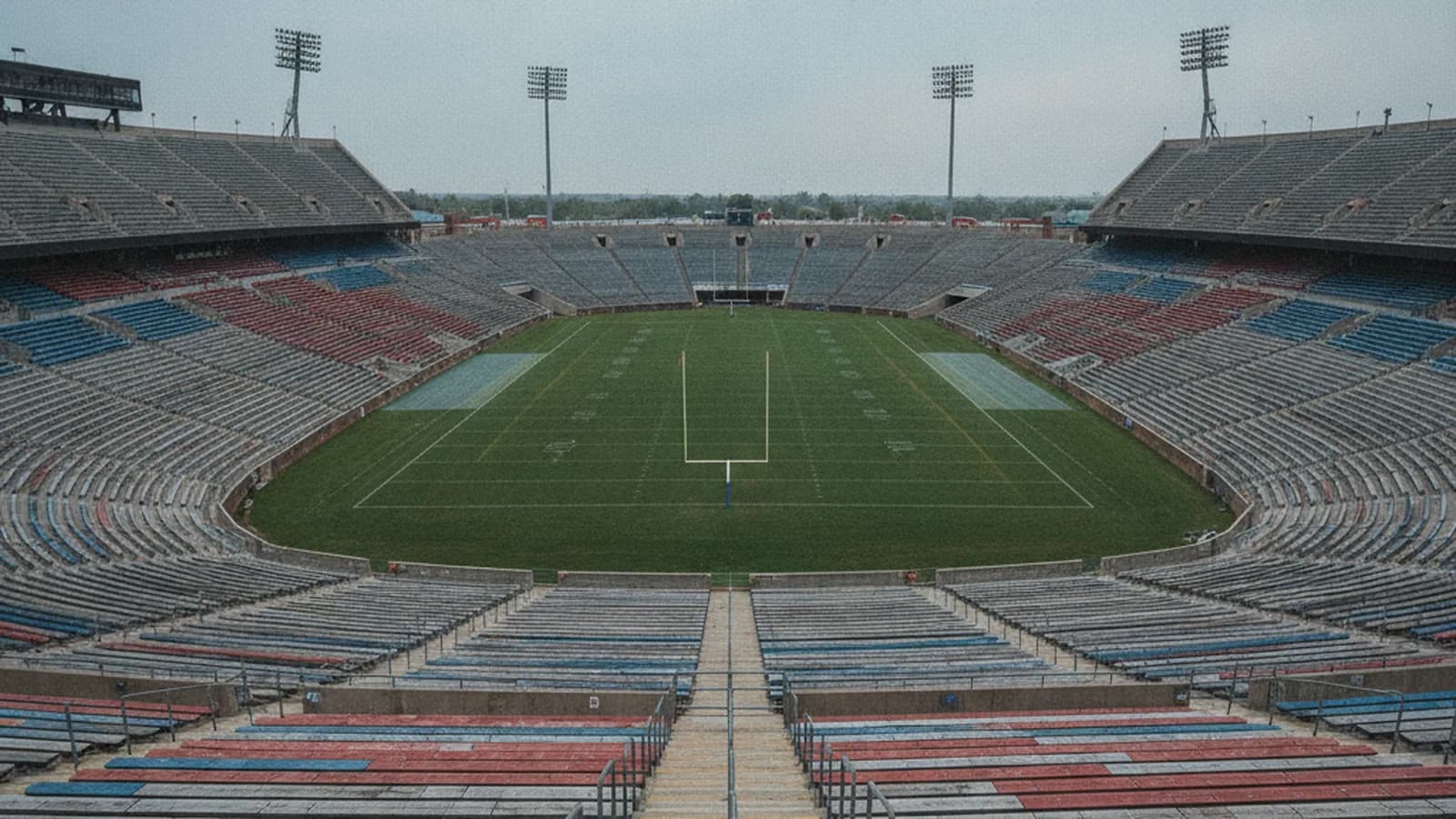
Image: AI-generated.
Requirements under this rule
- The NCAA calls a full Division I award the full grant-in-aid. It pays tuition, fees, housing, food, books and other costs. The cap is the cost of attendance, under Bylaw 15.02.5.
- The cost of attendance is the yearly student budget. The financial aid office of the university or college sets it.
- Bylaw 15.2.2.1 covers the housing and food share. In Division I, you may get it as a living allowance.
- The cost of attendance also counts transport and other costs of attending. So a full Division I award, the full ride, may cover them too. Bylaws 15.02.2 and 15.2.4 set this out.
- In Division II, a full award covers tuition, fees, food and housing. Bylaw 15.02.6 sets this out. It has not covered books since August 1, 2026.
- Division I universities and colleges may also pay Alston awards. These academic awards reach up to 5,980 dollars per athlete. The NCAA says this also holds for members outside the House settlement.
- Partial scholarships are the norm wherever a team may split its funding. Every Division I sport has been able to do that since July 2025.
- A public university or college charges residents of its own state a subsidized price. Everybody else pays a much higher out-of-state rate.
- International students pay the out-of-state rate without exception. So the list price behind your award is always the higher one.
Division I caps rosters instead of scholarship money
Division I has capped how many athletes a team may carry since 1 July 2025. It no longer caps how much the team may give. So a team can share the money as it likes within its roster.
You can now negotiate offers more than before. Two offers are also harder to compare. Two teams can package the same value in very different ways.
Offer broken down into its items
Ask for the offer item by item instead of as a percentage. A 50 percent tuition award differs from one split across tuition and housing.
Add every cost the offer leaves out before you compare. Examples are flights home, insurance and the visa process. Also count the months when the university or college closes its dining halls.
Ask if the university or college renews the award every year. Also ask on what basis it renews. The answer shows how a program treats its athletes better than any percentage does.
No source for aid per sport
Every university and college files athletics figures under federal law in the EADA report. It shows athletic aid per university or college and per gender only. Any figure for one sport at one university or college is an estimate.
Common questions about athletic scholarships in the USA
How common is a full athletic scholarship?
Can I combine an academic scholarship with an athletic scholarship?
Rules for your athletic scholarship in the USA
Sources
Each figure comes from one of these sources. If no source reports a figure, we do not estimate one.
- U.S. Department of Education, Equity in Athletics Data Analysis (20 August 2026)
- College Board, Trends in College Pricing and Student Aid 2025 (20 August 2026)
- NCAA, 2026-27 Division I Manual, Bylaws 15.02.2, 15.02.5, 15.2.2.1, 15.2.3.1 and 15.2.4 (full grant-in-aid, living expenses stipend, books, other expenses) (11 November 2026)
- NCAA, 2026-27 Division II Manual, Bylaw 15.02.6 (full grant-in-aid, effective 1 August 2026) (11 November 2026)
- NCAA, Question and Answer: Implementation of the House Settlement (updated 29 May 2026), questions A13 and A14 (Alston awards) (11 November 2026)
The editorial team of Athletic Scholarships USA writes and checks every text and figure. We are not an agency and do not place athletes at universities and colleges. When an agency would serve you better, we say so.