Scholarships and who pays
Benefits for athletes beyond the scholarship
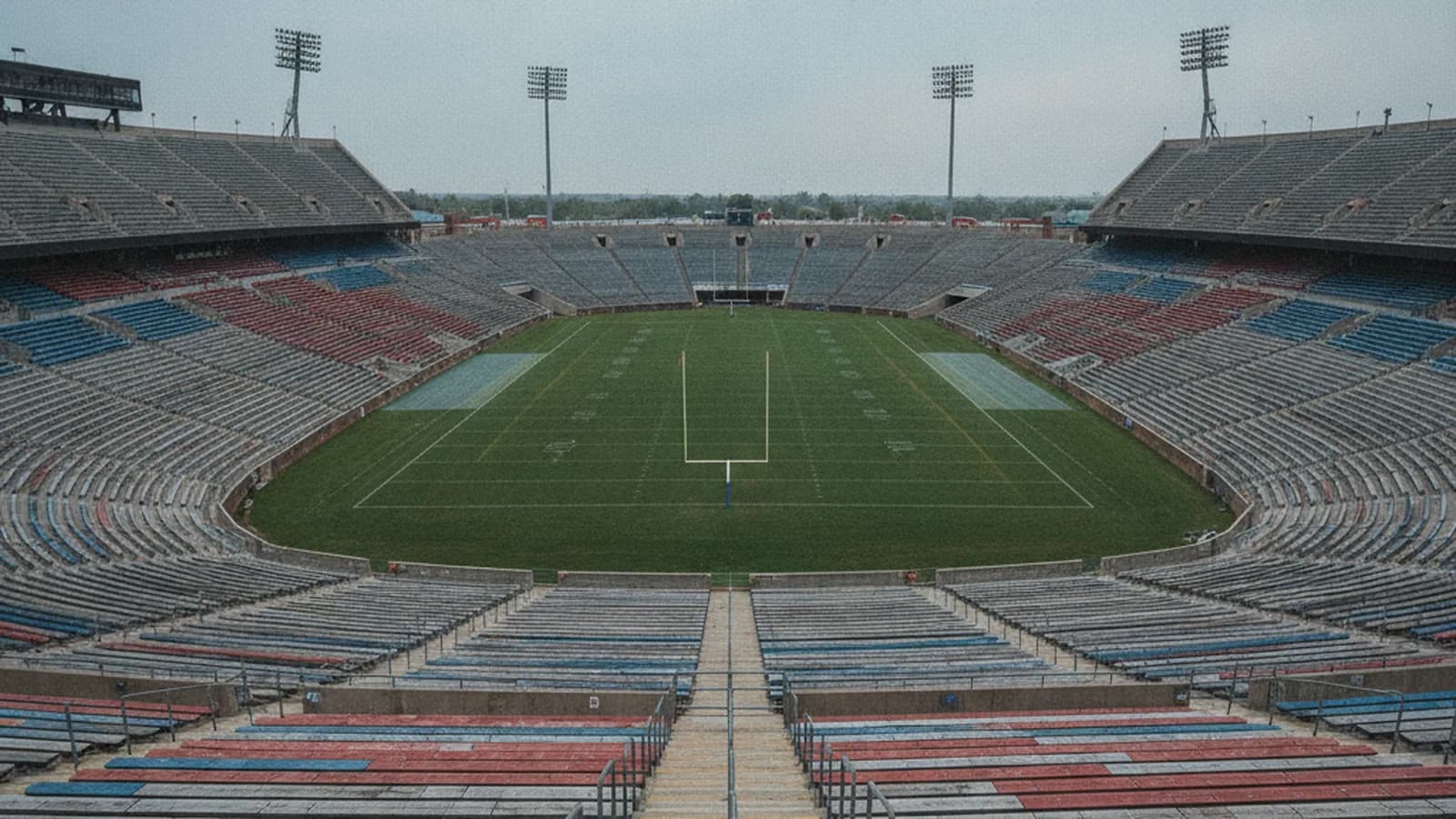
Image: AI-generated.
Requirements under this rule
- An extra benefit comes from a university or college employee or a booster. A booster is a supporter of the athletics program.
- An extra benefit is a special arrangement for an athlete, family member or friend. It gives them something the rules do not allow by name. The rule is Bylaw 16.02.4.
- A benefit open to all students is not an extra benefit. Neither is a benefit for a group picked for reasons other than sport. The rule is Bylaw 16.02.4.
- An athlete who gets an extra benefit loses eligibility in all sports. Source: NCAA Division I Manual 2026-27, Bylaw 16.01.2.
- The athlete can regain eligibility if the benefit is 200 dollars or less. The athlete must repay the value to a charity. Division I and Division II both set this out in Bylaw 16.01.2.1.
- A Division I university or college may give meals and snacks at any time. These meals may go beyond the cost of attendance. The cost of attendance is the yearly budget the financial aid office sets.
- Division I also allows housing and meals when the team must practice over holidays. The rules are Bylaws 16.5.2.3 and 16.5.2.5.
- A Division I university or college must offer academic counseling, tutoring and career counseling. It must also offer life skills programs and mental health services. The rules are Bylaws 16.3.1 and 16.4.2.
- Division I also allows computers and other study items without limit. The rule is Bylaw 16.3.4.
- A Division I university or college must pay to treat injuries from your sport. It must pay for at least two years after you graduate or leave. The rule is Bylaw 16.4.1.
- A Division I university or college may pay Alston awards for academics or graduation. Each athlete may get up to 5,980 dollars of these awards a year.
- The Alston award rule holds with or without the House settlement. Sources: Bylaw 16.1.4.5 and NCAA Q&A, questions A13 and A14.
- The NCAA Student Assistance Fund is money for athletes in need. The NCAA gives this money to universities and colleges.
- The fund may not pay tuition or fees during a regular term. It may not pay living costs or required books in that term either. It may not pay stipends.
- The fund also excludes outside training such as camps, private coaching or green fees. The rule is Bylaw 16.11.1.7.
- Division I universities and colleges may pay travel and expenses for practice and competition. The rule is Bylaw 16.8.1.
- A Division I university or college may pay for European, world and Olympic championships. It may also pay for national team selection events.
- Championship payments apply only in a year you represent the university or college. The rule is Bylaw 16.8.1.2.
- Division I allows a trip home after injury, illness or death in the family. The rule is Bylaw 16.11.1.6. Division II leaves most benefits to the policy of each university or college.
- The NAIA lets a university or college pay expenses that come with competition. Examples are travel, lodging, meals, awards and apparel.
- The NAIA also allows medical, dental and therapy costs for sports injuries. The university or college may pay nothing for an illness or injury outside sport. Source: NAIA Handbook 2026-27, Bylaws Article II, Section B.
Benefits beyond the scholarship by association
Each row names one kind of benefit as of November 2026. Where a bylaw exists, the row names it too.
| Benefit | NCAA Division I | NCAA Division II | NAIA |
|---|---|---|---|
| Medical care for athletic injuries | Required at least 2 years after you graduate or leave, Bylaw 16.4.1 | Permitted under Bylaw 16.4 | Permitted, including therapy and athletic medical insurance |
| Medical care unrelated to sport | Permitted under Bylaw 16.4 | Permitted under Bylaw 16.4 | Not permitted |
| Meals and snacks | At any time, beyond the cost of attendance, Bylaw 16.5.2.3 | Incidental to taking part, by university or college policy, Bylaw 16.5.1 | Meals as an expense of competition |
| Travel to practice and competition | Actual and necessary expenses under Bylaw 16.8.1 | Actual and necessary expenses under Bylaw 16.8.1 | Permitted as a sport-related expense |
| Equipment and apparel | No separate rule in Bylaw 16 | Free or discounted from a manufacturer, even if not needed for the sport. Bylaw 16.11.1.1 | Apparel as a sport-related expense |
| Computer and study items | Permitted without limit under Bylaw 16.3.4 | Books, supplies and support services by university or college policy, Bylaw 16.3 | Only if open to all students |
| Academic awards | Up to 5,980 dollars per year under Bylaw 16.1.4.5 | Awards by university or college policy, Bylaw 16.1 | No separate rule |
| Student Assistance Fund | Permitted, with excluded uses, Bylaw 16.11.1.7 | Not in the Division II Manual | Not in the NAIA Handbook |
| Payments under the House settlement | Only within the benefits cap at universities and colleges in the settlement. Bylaw 16.13 | None | None |
| Consequence of an extra benefit | Ineligible in all sports. Up to 200 dollars: repay to charity under Bylaw 16.01.2 | Ineligible in all sports. Up to 200 dollars: repay to charity under Bylaw 16.01.2 | Case goes to the National Conduct and Ethics Committee |
Direct payments in Division I since July 2025
Division I universities and colleges in the House settlement may pay athletes. This right started on 1 July 2025. They may also give benefits the rules banned on October 7, 2024.
The total must stay within the benefits cap for 2026-27. That cap is 21.58 million dollars per university or college. The rule is Bylaw 16.13.1.
Everything Division I allowed on October 7, 2024, stays outside the cap. Every Division I university or college may keep giving it.
Division II rewrote large parts of Bylaw 16. The new text took effect on August 1, 2025. It leaves awards, meals, incidental costs and transport to each university or college.
Division II changed its rules again on August 1, 2026. A Division II university or college may now pay required course books and supplies.
The Division II full scholarship no longer includes books and supplies. The rules are Bylaws 15.02.6 and 16.3.
Ask compliance before accepting gifts from boosters
The compliance office staff check that the athletics department follows the rules. Ask them before you accept a flight, loan, car or job offer. This applies to offers from anyone tied to the program.
A well-meant gift above 200 dollars can stop you from competing.
A Division I university or college must pay for a sports injury. This duty lasts at least two years after you leave. It matters most if treatment at home would cost you money.
Division II and NAIA universities and colleges may pay for sports injuries. Ask each one for its written policy.
Flights home are part of the scholarship package. The cost of attendance is the yearly budget the financial aid office sets.
The Division I cost of attendance includes transportation. A full award may cover all of it. The rule is Bylaw 15.02.2.
Example of flights, laptop and physical therapy
Cian from Galway plays golf in Division I. His university or college is in the House settlement. His award covers half the cost of attendance.
He asks for two return flights to Dublin a year. He also asks for a laptop for his bachelor's degree in business. And he wants physical therapy for a sore back.
The university or college may buy the laptop. Bylaw 16.3.4 allows study items without limit. Bylaw 16.4 allows the physical therapy.
The university or college must pay for treatment if golf caused the back pain. It must pay until at least two years after Cian leaves.
The flights must come through his award. The university or college may raise his award toward the full cost of attendance.
Suppose a booster paid for a 450-dollar ticket. Cian would then lose eligibility in every sport.
Only an NCAA appeal by the university or college could restore his eligibility. The rules are Bylaws 16.01.2.1 and 12.10.1.
Benefits under Division II university and college policy
The Division II Manual allows reasonable transportation by university or college policy. The rule is Bylaw 16.9.1. The manual does not say whether an international flight home counts.
The manual also leaves open whether a laptop counts as a course supply. The rule for course supplies is Bylaw 16.3.
Ask each Division II compliance office for its written policy.
The Student Assistance Fund bylaw lists only what the money may not pay. Each university or college decides the rest under the fund's guidelines. It decides, for example, on an emergency flight home or on clothing.
Common questions about athletic scholarships in the USA
What can NCAA athletes receive besides an athletic scholarship?
Which benefits do NCAA rules ban for college athletes?
What perks do Division I athletes get?
Must a Division I university or college pay for sports injuries after I graduate?
Can a university or college give an athlete a laptop under NCAA rules?
Can a university or college pay flights home for an international athlete?
What happens if an NCAA athlete accepts an extra benefit?
What can NAIA athletes receive beyond an athletic scholarship?
Rules for your athletic scholarship in the USA
Sources
Each figure comes from one of these sources. If no source reports a figure, we do not estimate one.
- NCAA, 2026-27 Division I Manual, Bylaw 16 (awards, benefits and expenses) and Bylaws 12.10.1 and 15.02.2 (11 November 2026)
- NCAA, 2026-27 Division II Manual, Bylaw 16 (awards, benefits and expenses) and Bylaw 15.02.6 (11 November 2026)
- NCAA, Question and Answer: Implementation of the House Settlement (updated 29 May 2026), questions A13 and A14 (Alston awards) (11 November 2026)
- NCAA, Division I Student-Athlete Core Guarantees (11 November 2026)
- NAIA Handbook 2026-2027, Bylaws Article II Section B (financial assistance) and Article IX Section C (11 November 2026)
The editorial team of Athletic Scholarships USA writes and checks every text and figure. We are not an agency and do not place athletes at universities and colleges. When an agency would serve you better, we say so.